Field Notes · Issue — August 2026
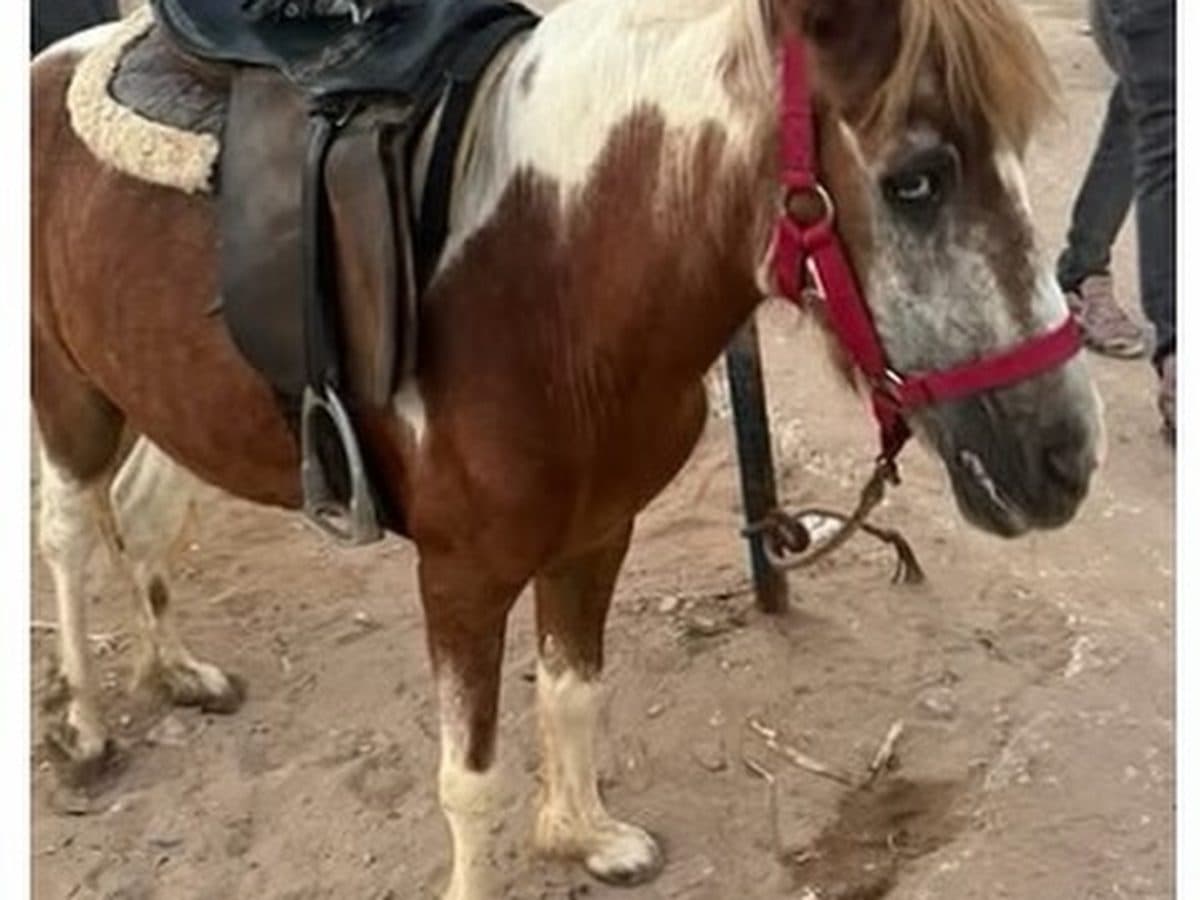
Imouane beach, near Agadir. The photograph supporters first saw.
From the refuge
A promise kept
When we asked for help for the old pony on Imouane beach, we said we would let you know what happened either way. This letter is that promise being kept, and it is the good ending. Also this month: Lucky three weeks on, the castration work beginning, and something new on the website.
Right now at the refuge
The pony on the beach is coming home
Many of you had seen this pony: very old, and worked relentlessly on Imouane beach, near Agadir — carrying children up and down the sand and standing for holiday photographs, in the heat, day after day. On the twentieth of August we asked for help to buy the pony’s freedom, and to make sure no other pony would be bought to take that place on the sand.
Gifts arrived within the first day, from four countries. Five days after the appeal went out, the price was paid in full. The pony has been bought, is done with the beach for good, and will be here in the paddocks very soon. And then the longer promise begins: feed, the farrier, the vet, and a place in the herd for the rest of a long retirement. Freedom was the cheap part.
Update, September: she stepped off the truck on the 31st of August and walked calmly into a stable of her own. Her name is Stella, and a proper introduction is coming.
What’s new
Lucky, the castrations, and two new pages
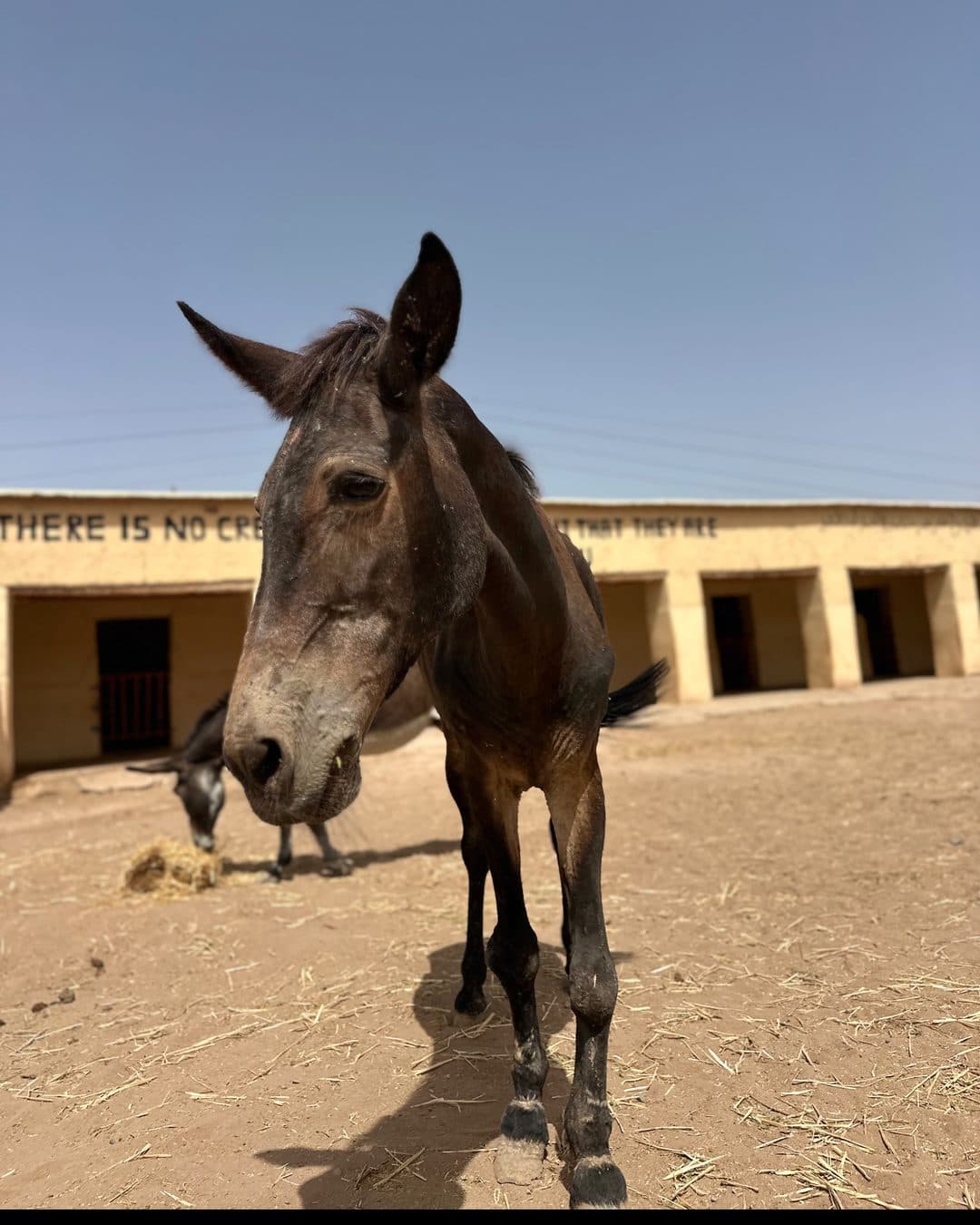
Lucky, photographed this week.
Lucky, three weeks on
Lucky the mule came off a Marrakech street at the end of July, hurt and worked to a standstill. Three weeks on she is out with the herd, steady on the knee that took her fall, eating well on the soft food she needs. She has worked every day of her life. She will not work again.
The castrations have begun
In July we told you about 39 male donkeys living apart from the herd. You gave, and the work has started: the first four have had the procedure, with the vet’s care and a quiet fortnight of recovery, and 35 are still to go. About £100 covers one donkey. Slow, ordinary, and exactly what was promised.
Sponsor an animal by name
Sixteen of the herd now have pages of their own, from Lucky to Tommy, who still carries his feed bucket round the yard when the service is too slow for his liking. It is monthly, you choose the amount, and there is no minimum.
Quietly, for later: gifts in Wills
Some supporters choose to remember Jarjeer in their Will. It is the gift that costs nothing in your lifetime and keeps the gate open beyond it. There is now a quiet page that explains how it works, with no forms and no pressure. And if you have already remembered us, we would love the chance to say thank you.
The month in figures
August, in numbers
Real figures from our own records, plainly, the way we promised to report them.
People started giving monthly this month, against nine in July
Most found us through the letter you are reading or the sponsorship page. Welcome, all of you.
Animals now have someone sponsoring them by name
Sunny, Hero and Tommy each have two. The page only opened on the second of August.
Sent to Morocco over the last financial year
That is what feeding and treating more than 300 animals costs, from the bank statements, not an estimate. The bank rarely holds much more than one month of running costs, because money given for the animals is spent on the animals.
In their words
“The person who can just afford to send £2 a month, I value them just as much. We are not a charity that puts a limit on what people must donate.”
Susan Machin MBE, founder
Be part of the story
Every gift, monthly or one-off, goes straight to feed, shelter and veterinary care in the paddock.
How it all began
From one donkey to a refuge
Founders Susan Machin and her husband Charles Hantom were both practising lawyers in the UK. After retiring to Morocco, they adopted an orphaned donkey named Tommy — within a few years they had twelve. Rather than keep them as pets, Susan made the decision that became Jarjeer: to found a proper charity, and give Morocco’s working animals the retirement they deserve.